Secrets that went to Moscow
The atomic spies
Moscow knew of the atomic bomb almost from the start. Spies at Los Alamos and elsewhere passed its secrets to Soviet intelligence, and the first Soviet bomb, tested in 1949, copied the American plutonium design. American codebreakers found them out, but historians still differ on how much time the spying saved. Sources: 1 2 3 4
Moscow hears early
In September 1941 the Soviet intelligence chief in London told Moscow that his agent reported Britain had decided to build an atomic bomb. Sources: 1 9
The agent was probably John Cairncross, private secretary to Lord Hankey, a minister who was privy to discussion of the MAUD Committee’s report. Cairncross denied it in 1993. Sources: 4
The Soviet Union began its own small bomb project in early 1943, under the physicist Igor Kurchatov. Soviet intelligence gave the American project a code name of its own, ENORMOZ. Sources: 3 4 6 10
Kurchatov wrote that the intelligence let his team bypass many labour-intensive phases of the work. In August 1945 Stalin put the whole effort under his secret police chief, Lavrentii Beria, including all the spying on the bomb. Sources: 9 10
Klaus Fuchs
Klaus Fuchs, a German-born physicist working on the British project, offered his services to Soviet intelligence through an exiled German communist in late 1941, after Germany invaded the Soviet Union. His own confession said 1942. In Britain he met his contact, Ursula Beurton, in Banbury. Sources: 11 12
In America he was handed to a courier, Harry Gold, a chemist from Philadelphia, whom he knew as Raymond. They first met in New York on 5 February 1944. Sources: 1 13 14
At Los Alamos, where he worked in the Theoretical Division from August 1944, Fuchs passed detailed information on the design of the bombs. On 2 June 1945 Gold met him in Santa Fe and took away a package of papers. His part in the British Mission is told on Britain and the bomb. Sources: 4 8 15
Gold and the Greenglasses
The next day Gold went on to Albuquerque, to the flat of David Greenglass, a soldier at Los Alamos who worked on moulds for the explosive lenses of the implosion bomb. Sources: 8 16
Greenglass had been drawn in through his wife, Ruth, and his sister’s husband, Julius Rosenberg. In the Soviet cables he was BUMBLEBEE, and then CALIBRE. Sources: 1 4
At the door Gold said, “I come from Julius,” and showed half of a cut piece of cardboard. Greenglass matched it with the other half. At the trial the prosecution showed a Jell-O box to stand for the one the two halves had been cut from. Sources: 8 17
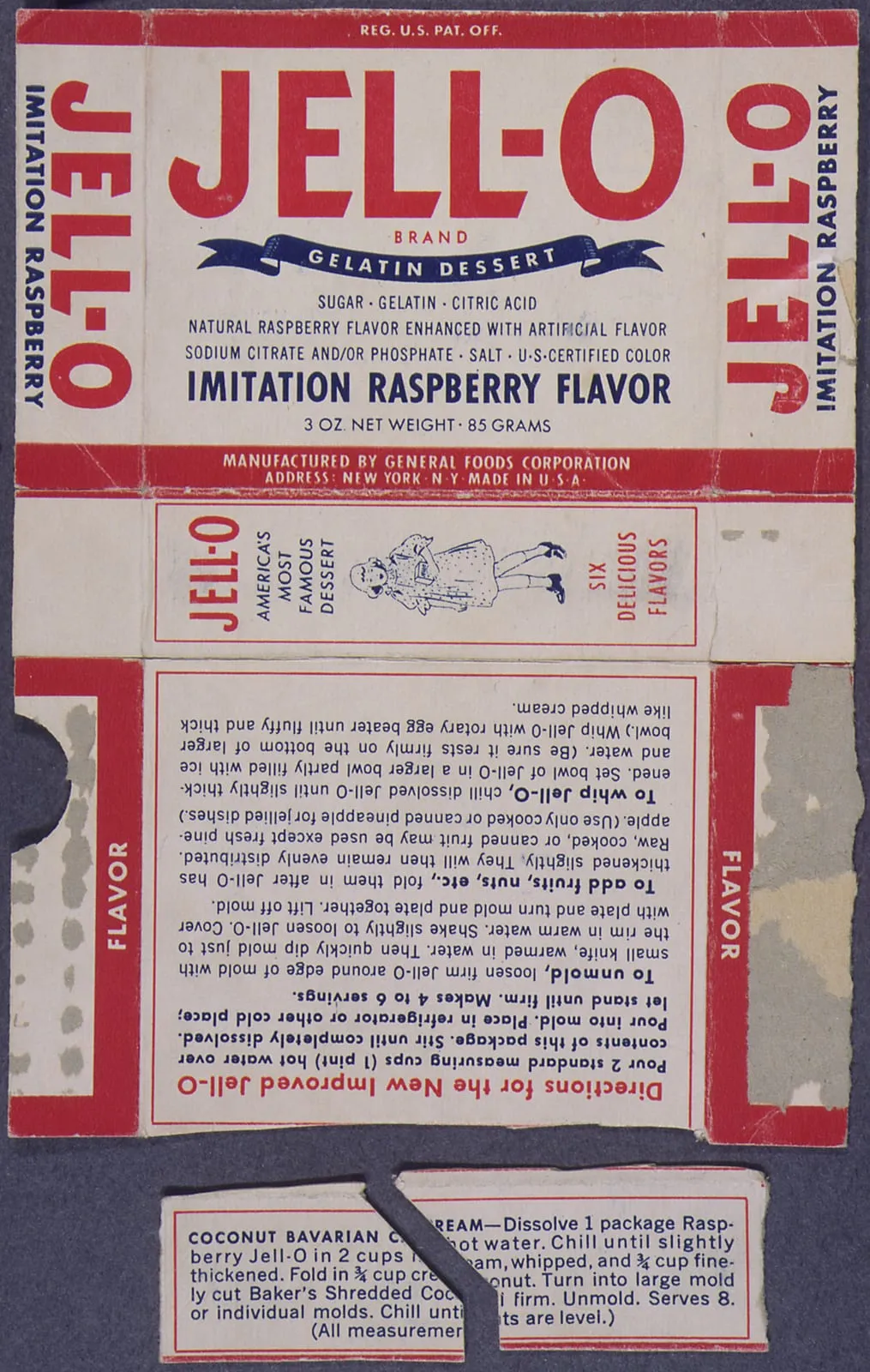
Sending Gold to Greenglass was, in the FBI’s words, a mistake in security by the Soviet services, and it later led to the Rosenbergs. Sources: 8
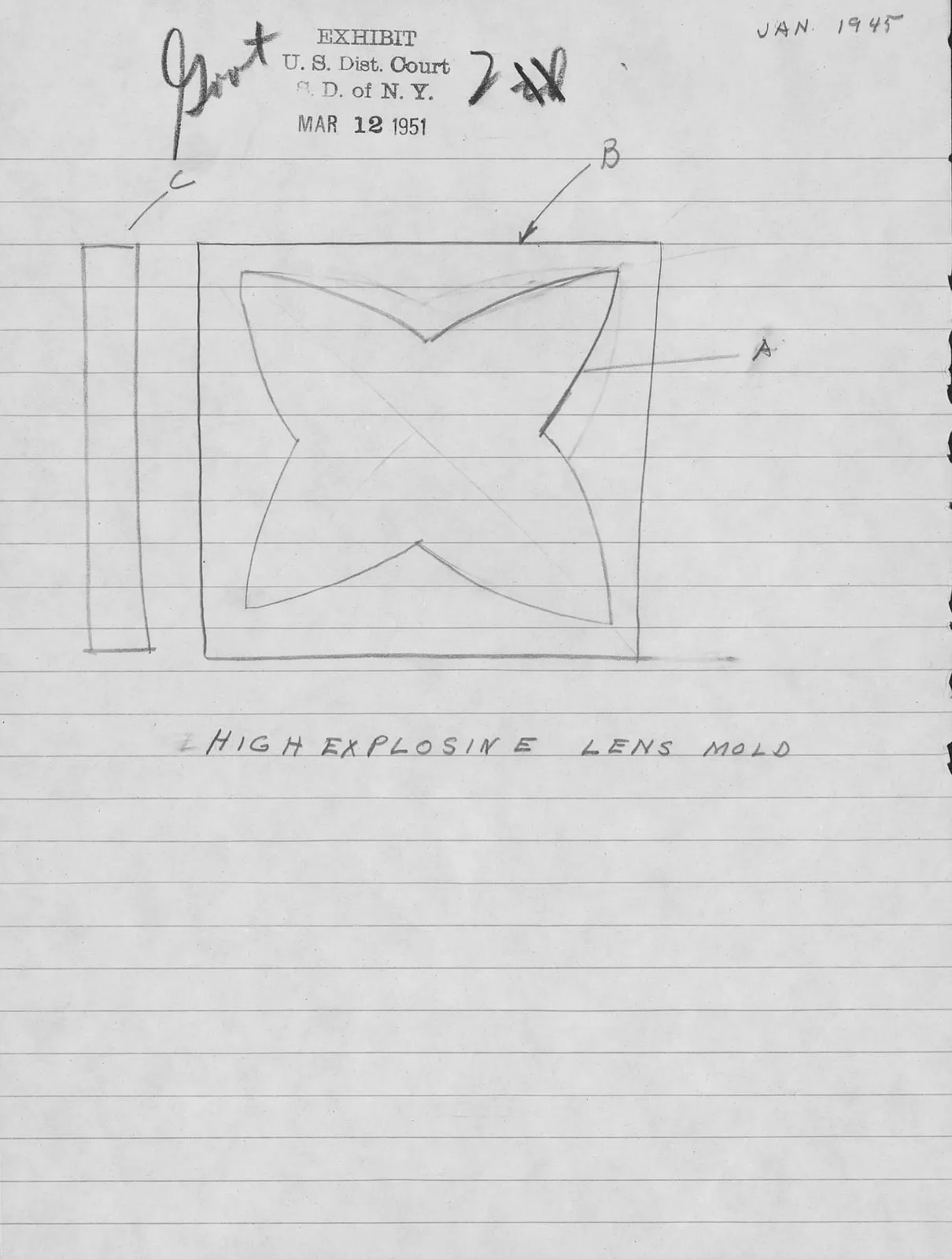
Hans Bethe, under whom Fuchs worked at Los Alamos, judged that Greenglass’s information “was just subsidiary to Fuchs”. Sources: 15 18

Theodore Hall
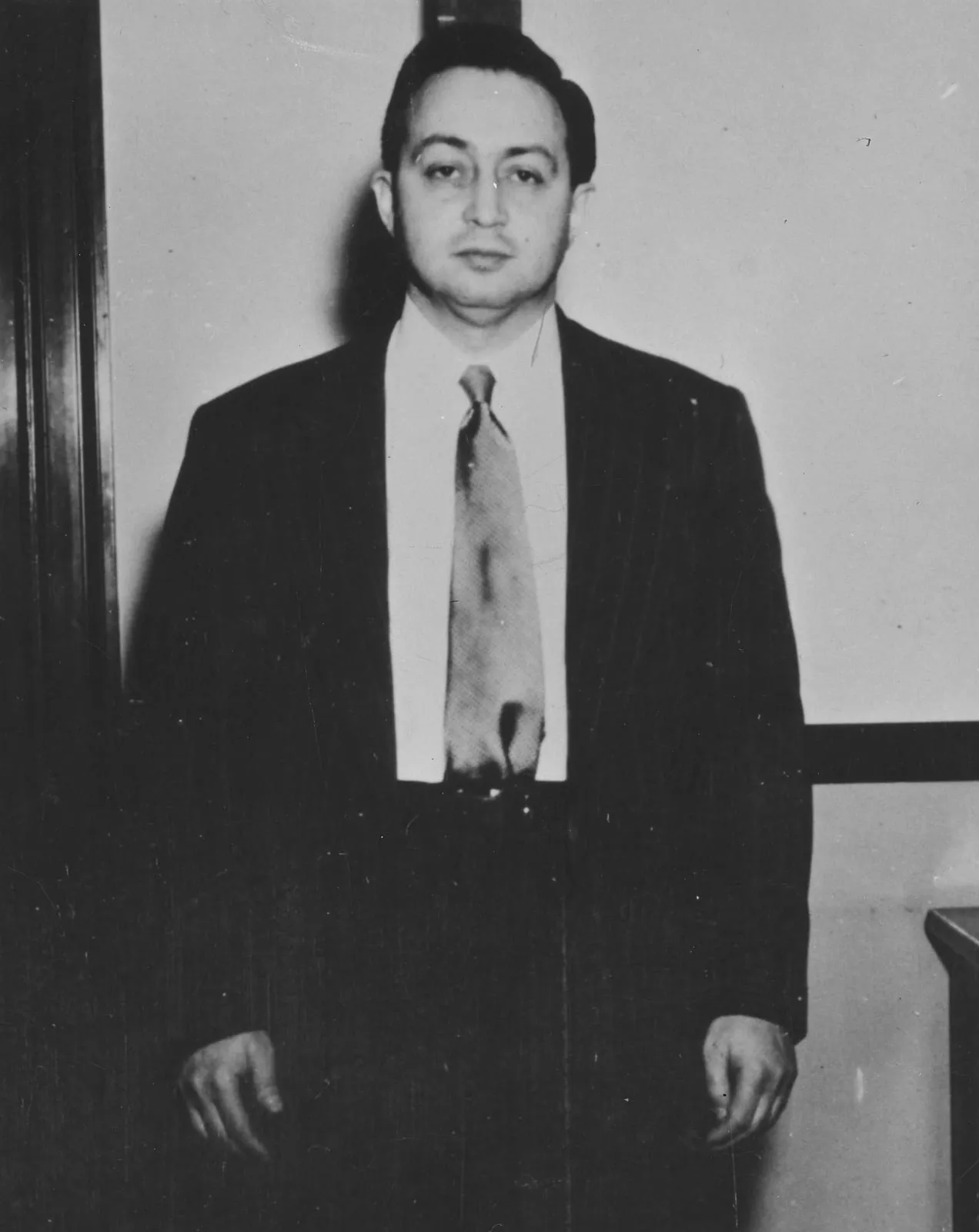
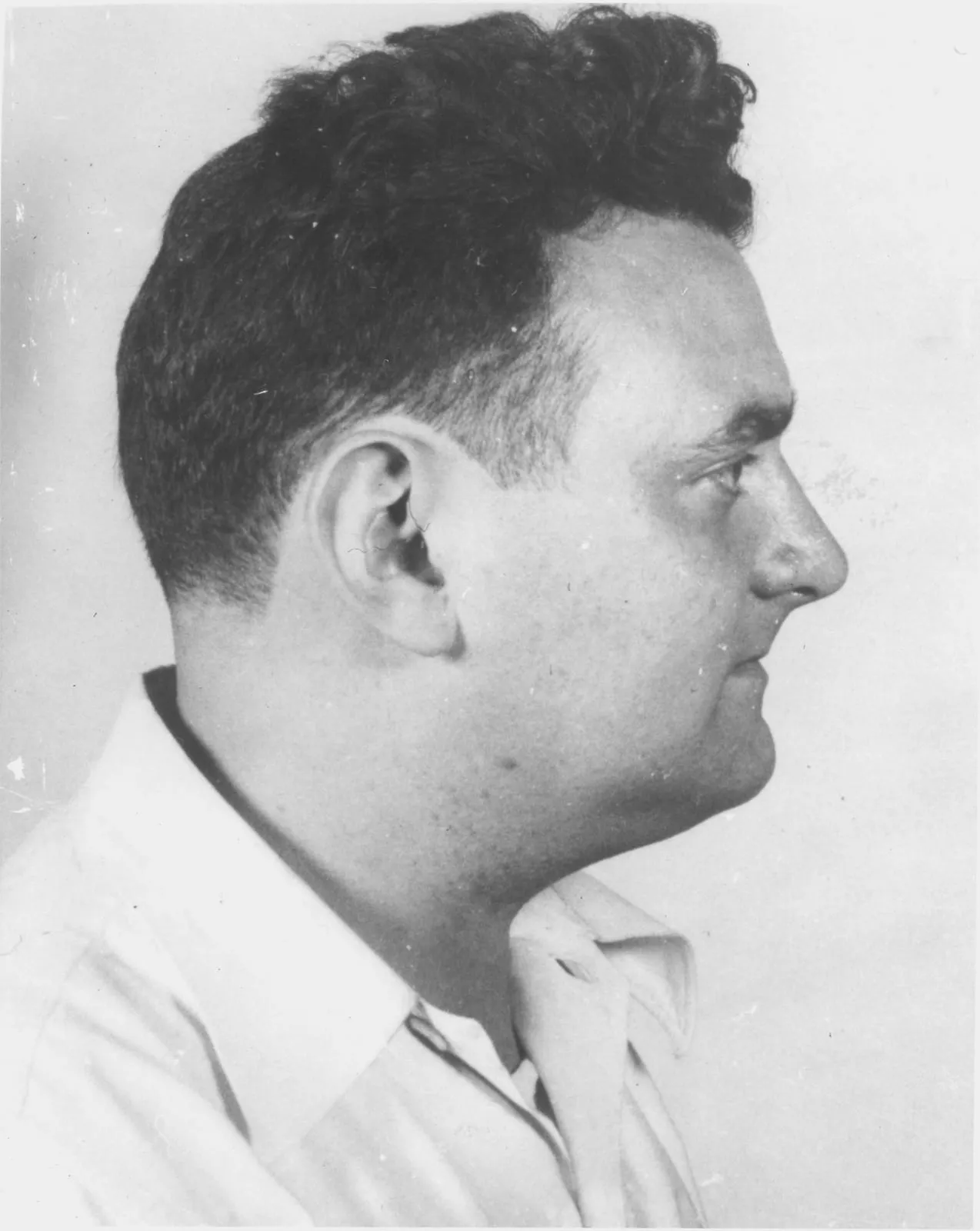
Theodore Hall was a 19-year-old physicist at Los Alamos, in a group working on implosion. In October 1944 he went with his Harvard friend Saville Sax to make contact with the Soviets: like Fuchs, he approached them, not the other way round. Sources: 1 19
At his first meeting with a Soviet contact in New York he handed over papers on the research and on who did what at Los Alamos. Sources: 19
His information was less detailed than Fuchs’s, but it confirmed and added to it. Couriers such as Lona Cohen carried reports from Los Alamos to the Soviet consulate in New York. Sources: 1 4
The FBI questioned Hall and Sax in 1951, and both denied it. Neither was ever charged, probably because a case could not have been made without revealing the codebreaking. In 1997 Hall said he had feared that an American monopoly of the bomb was a danger to peace. Sources: 1 19 20 21
George Koval
George Koval was born in Sioux City, Iowa, and moved with his family to the Soviet Union in 1932. Recruited by Soviet military intelligence, the GRU, he was sent back to the United States and drafted into the US Army. Sources: 22
The Army sent him to work on radiation safety at Oak Ridge and then, from June 1945, at Dayton, Ohio, where the polonium initiator for the implosion bomb was made. Sources: 22
He left the United States in 1948 and was never caught. In 2007 President Putin made him a Hero of the Russian Federation, after his death; the Kremlin said he had helped to speed up the Soviet bomb considerably. Sources: 22 23
Canada and Nunn May
On the evening of 5 September 1945, Igor Gouzenko, a cipher clerk at the Soviet embassy in Ottawa, walked out with secret documents. Two days later he defected to the Royal Canadian Mounted Police. Sources: 5
His papers exposed Alan Nunn May, a British physicist who had worked on the atomic project in Canada from 1943 to 1945 and passed information and small samples of uranium to the GRU. Back in Britain he confessed, and in 1946 he was sentenced to ten years. Sources: 24 25
Venona
From February 1943 American codebreakers at Arlington Hall, Virginia, worked on Soviet cables from the war. The Soviets had reused some of their one-time pads, which let parts of the messages be read. The project became known as Venona. Sources: 3 26
In December 1946 Meredith Gardner broke a message listing the leading scientists of the Manhattan Project. In 1949 the cover names REST and CHARLES were identified as Fuchs. Sources: 1 3
Venona was so secret that its messages could not be shown in court. They were made public only in July 1995. Sources: 1 3 11
Caught
MI5’s interrogator, William Skardon, confronted Fuchs in December 1949. A month later Fuchs confessed, and on 1 March 1950 he was sentenced to fourteen years, the maximum. His conviction rested on his own confession alone. Sources: 11 12 27
He was released in 1959 and went to East Germany, where he died in 1988. Sources: 11 15
Shown photographs, Fuchs picked out Harry Gold. Gold confessed on 22 May 1950, and his account led to Greenglass, who confessed on 15 June and named Julius Rosenberg. Julius was arrested on 17 July, and Ethel on 11 August. Sources: 1 8 13
Gold was sentenced to thirty years. Greenglass pleaded guilty, was sentenced to fifteen years and was released in 1960. Ruth Greenglass was never charged. Sources: 4 8 14
The Rosenbergs
Julius Rosenberg, an engineer, never worked on the Manhattan Project. He ran a network of Soviet sources, under the cover names ANTENNA and then LIBERAL, gathering industrial and military secrets. Sources: 3 4 28
The Rosenbergs and Morton Sobell were tried in New York for conspiracy to commit espionage. They were found guilty on 29 March 1951. On 5 April Julius and Ethel were sentenced to death and Sobell to thirty years. Sources: 8 29
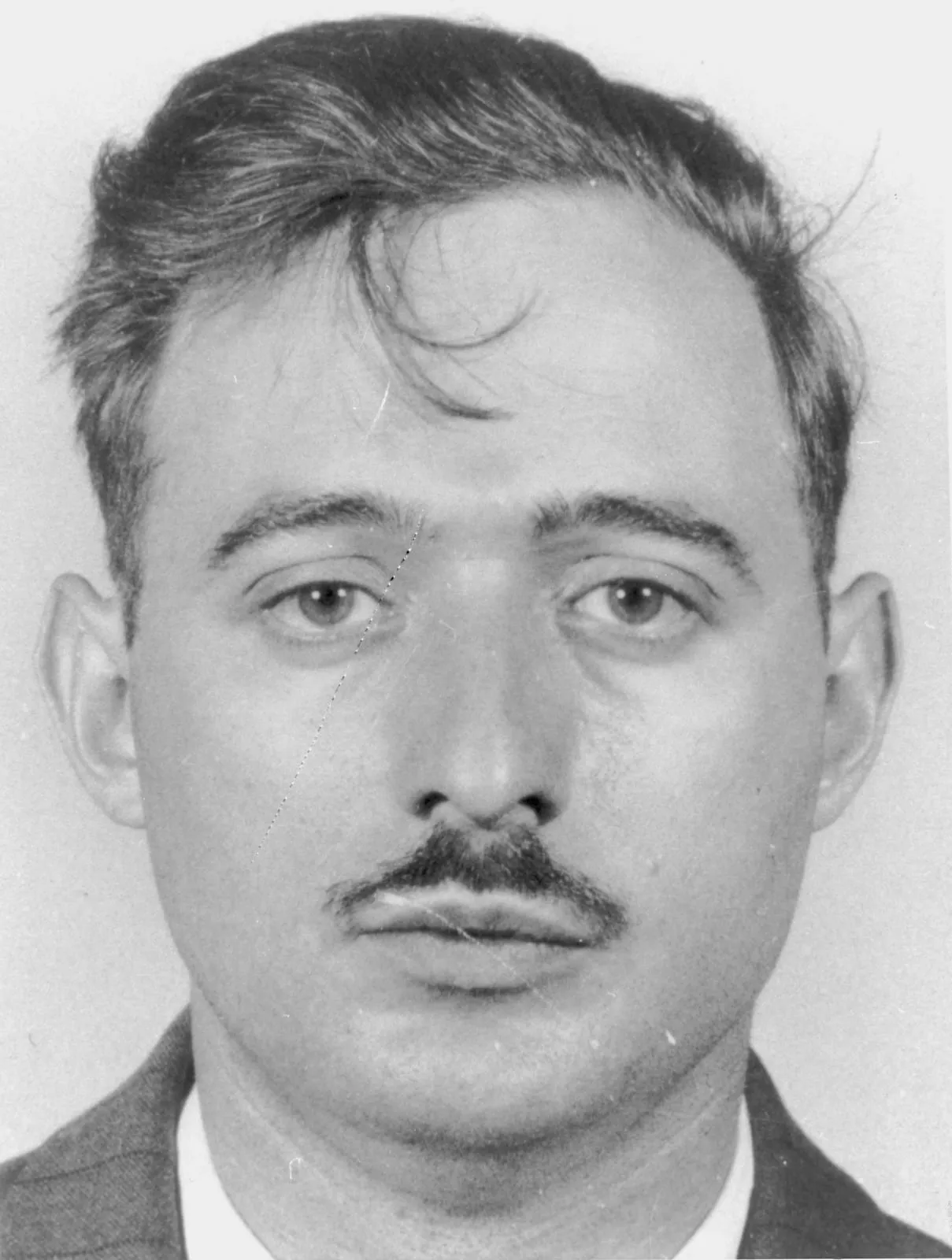
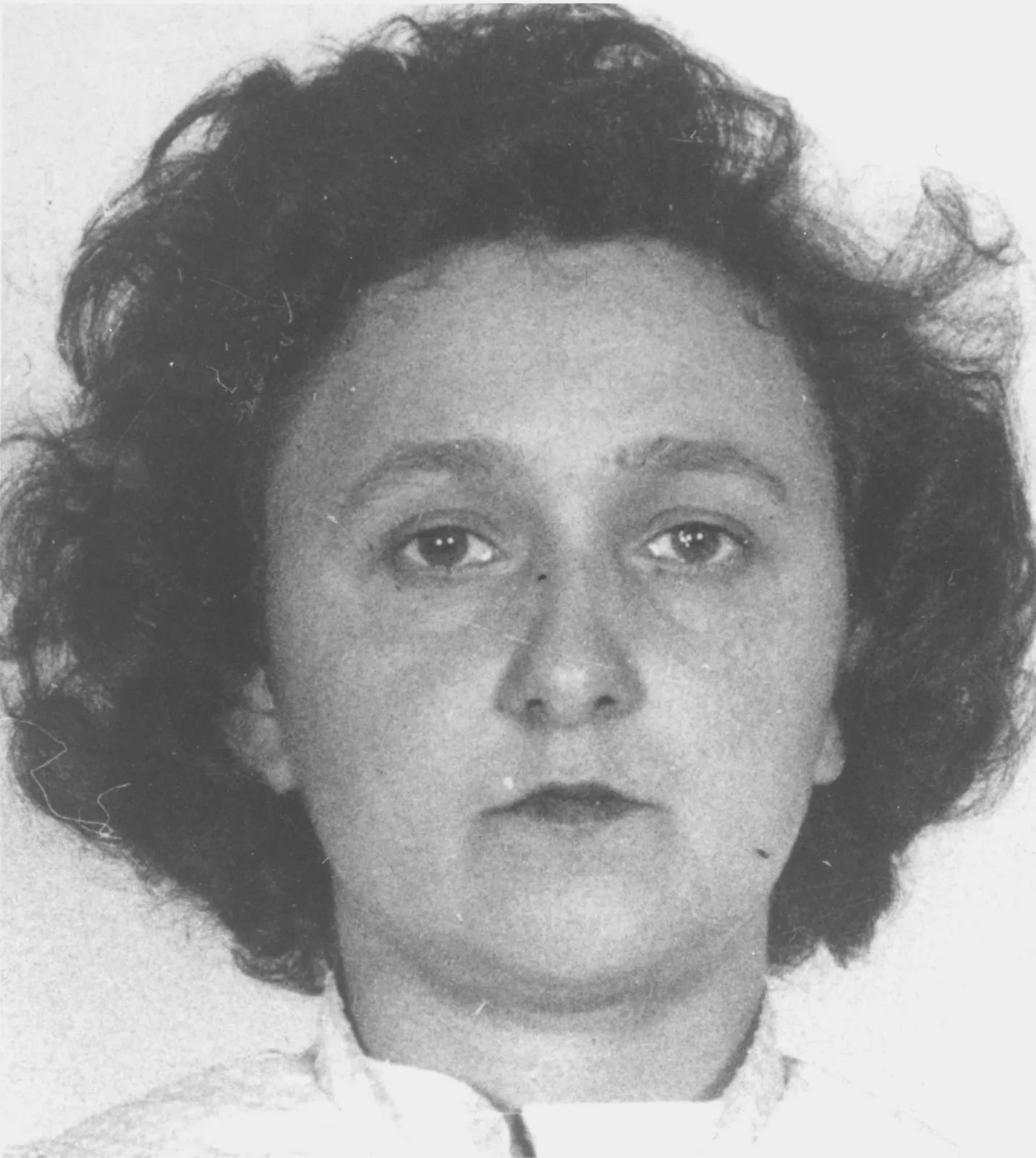
On 19 June 1953 Julius and then Ethel Rosenberg were executed at Sing Sing prison, New York. Sources: 8
Ethel’s part is still argued over. Two decoded Soviet cables mention her, and one says she knew of her husband’s work. She had no cover name of her own. Sources: 1 3 28
At the trial her brother David testified that Ethel had typed up his notes. But to the grand jury in 1950, in testimony released in 2015, David had said: “I never spoke to my sister about this at all.” He later said he did not remember who had done the typing. Sources: 8 16 30 31
In 2008 Sobell admitted that he had spied. Of Ethel he said: “She knew what he was doing,” but “what was she guilty of? Of being Julius’ wife.” Her sons maintain her innocence. Sources: 26 32 33
How much did it help?
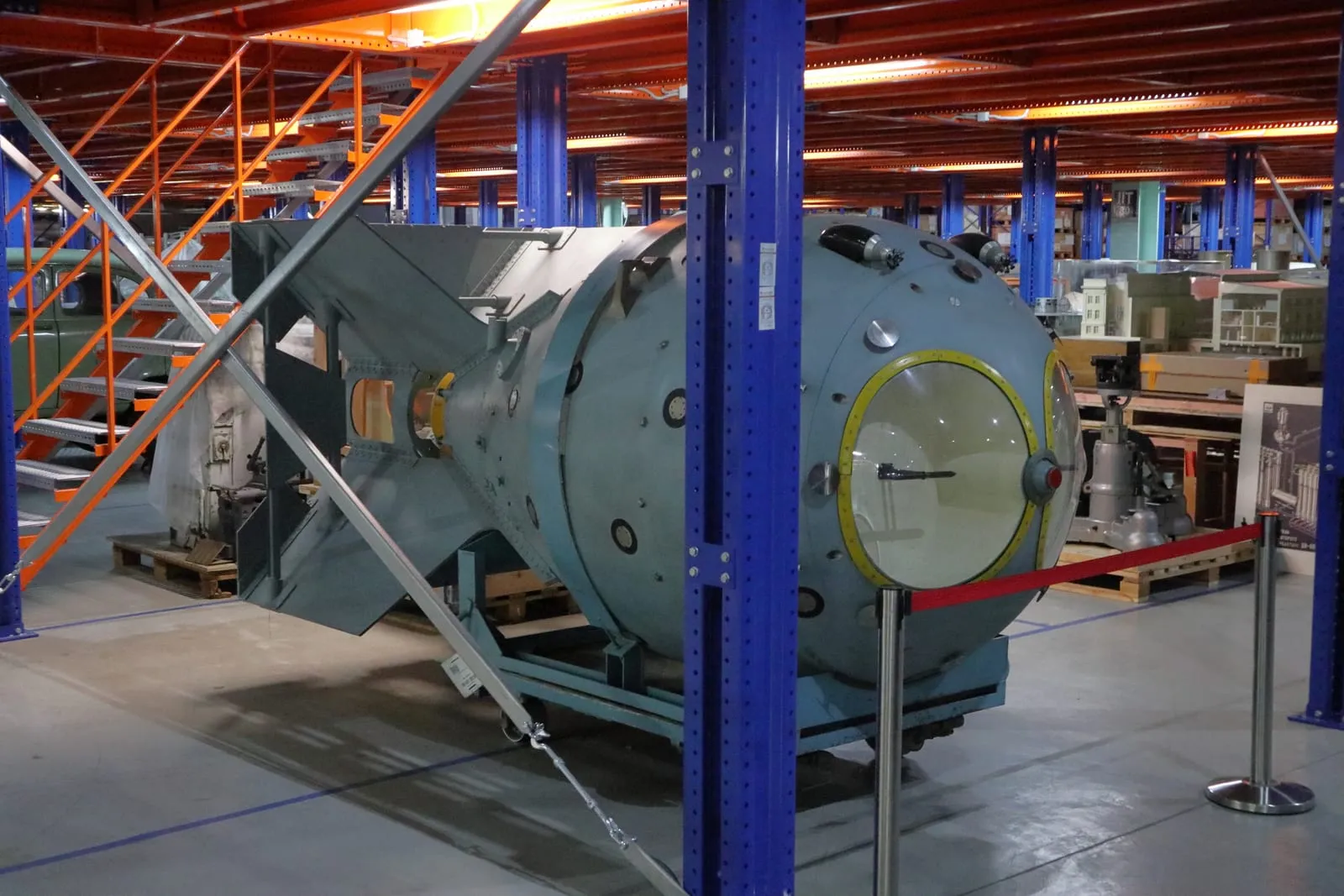
The first Soviet bomb, RDS-1, tested at Semipalatinsk on 29 August 1949, followed the American plutonium bomb. A report based on Fuchs’s information was taken as the basis of its design, and in 1992 the project’s lead scientist, Yulii Khariton, told the historian David Holloway that it was a copy. Sources: 2 6 34
The Russian weapons laboratory where it was built says the structure was similar, but its design, the physics and the production were Soviet. Sources: 7

How much time the spying saved is still argued. Sources: 2 4 6 9 10
- The US Department of Energy’s history says it probably brought the Soviet bomb forward by at least 12 to 18 months. Sources: 4
- The Atomic Heritage Foundation gives six months to two years. Sources: 6
- David Holloway’s study is summed up as finding that the Soviet Union could have built a bomb by 1951 or 1952 even without the intelligence. Sources: 9
- Mark Kramer finds most observers agree that the spies were vital for the first fission bomb, but much less important for the hydrogen bomb. Sources: 10
- In 1994 Russia’s foreign intelligence service said the spying had “played only a subsidiary role”. Sources: 2
In 1949 the CIA expected no Soviet bomb before the middle of 1950, and thought the middle of 1953 most probable. Its analysts did not believe the Soviets had gained anything from spying on the Manhattan Project. Sources: 35 36
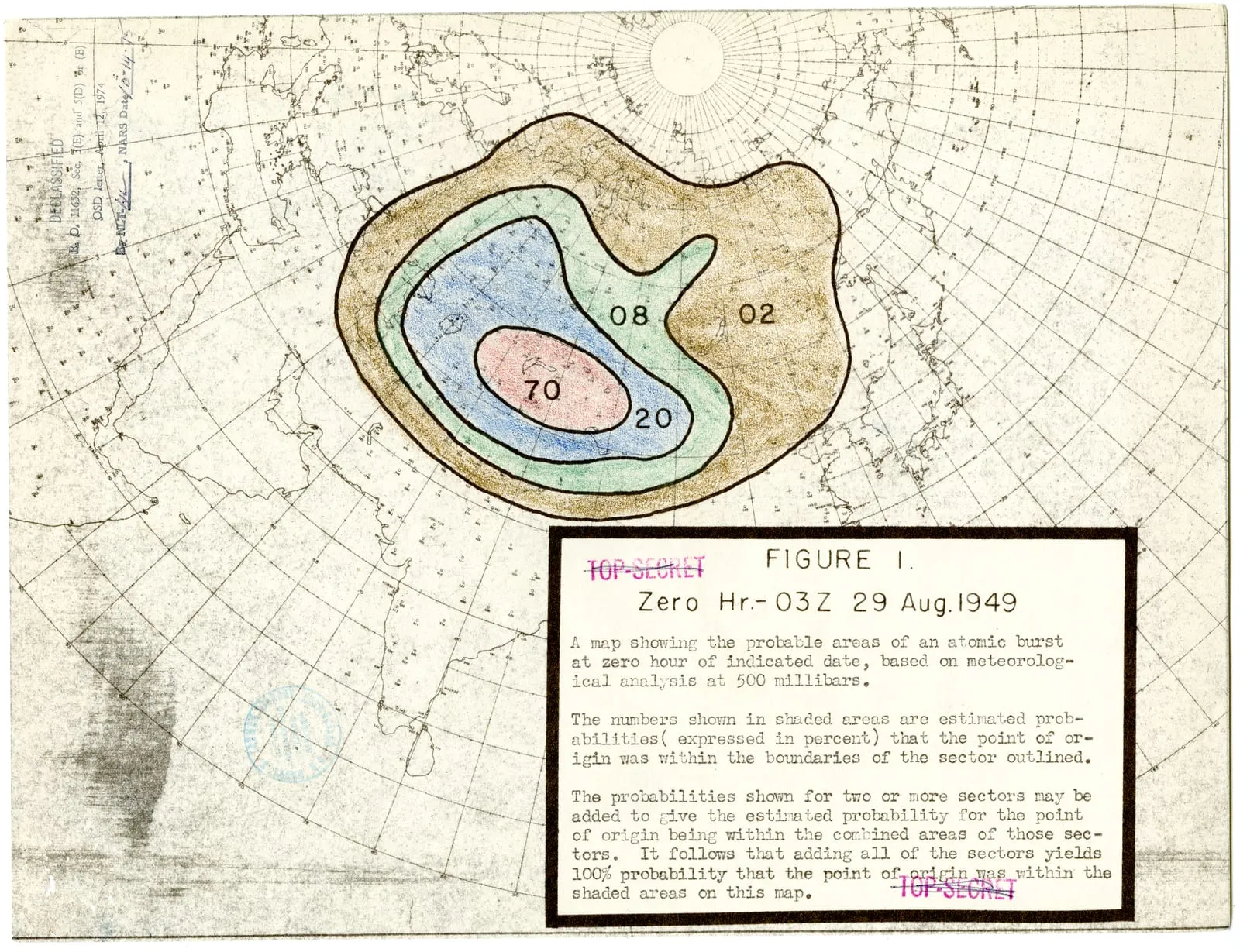
An American weather aircraft picked up the fallout, and on 23 September 1949 President Truman announced that there had been an atomic explosion in the Soviet Union. What followed is told on After 1945. Sources: 36